Tampilkan postingan dengan label Children. Tampilkan semua postingan

Characteristics Of Autistic Children

20.11 Add Comment

Cases of autism are currently more and more found in Indonesia. Currently the diseaseautism can already be detected from an early age. Nevertheless, knowledge of layabout autism and how to manage them is still not widely known to the public.

Autism is a disorder characterized by weakening the ability to socialize, behave and speak. Autism is often referred to as Autistic Spectrum Disorder (ASD). to find out ifyour child has autism, it is important to know the symptoms, ranging from actions ofcurative (healing) to preventive measures (prevention), and the food is good and whatis not good is consumed by people with autism.

The causes of autism itself is still not known for sure. Until recently, most researchers believe that autism is caused by genetic factors. However, recent research suggests that environmental factors are also a cause of autism. The environment in this contextis anything that exists outside the body, is not limited to pollution or toxins in the atmosphere. One of the environmental factors that might cause such prenatal factors in autism is less nutrients or consumption of certain drugs during pregnancy.

According to the National Institute of Mental Health, autism is a developmentaldisorder in children happens at around 3.4% of 1000 children aged between 3 to 10 years. Autism affects the function of the motor, intellectual and social, as well as the inability to use the sensorial senses in an effective manner the effect on overallbehavior. Autism is generally diagnosed after doctors observe the behaviour anddevelopment of children. However, there are some indicators that suggest autism in children, including:

Impaired social ability

Autism is closely related to the ability of social disorder in which the sufferer to interact differently with people in General. The symptoms are mild, the traits of autismthat appears is the child looks awkward when dealing with others, removingcomments that are offensive to others, and seems alienated while gathered withothers.

Autistic persons with autistic symptoms are severe levels usually do not likeinteracting with others and tend to avoid eye contact. Most older persons with autismdo not like if they are touched or embraced. However, not all showing the same symptoms. Some children with autism often and love to hug them close to it.

Disorders of speech

Characteristics of autism can be detected by knowing the ability of speech in children.Developmental speech pattern is lacking as well as the minimal use of language skillsmakes children less able to make autism social interaction.

About 40% of children with autism cannot speak or can only say a few words only.Approximately 25-30% can say a few words at the age of 12-18 months, but later lost the ability to speak. Children with disabilities autism intonation when speaking usuallytend to be flat and formal in nature. They also tend to repeat certain words or phrases, or known as echolalia.

Difficulty empathizing

It is very difficult for young people with autism to understand other people's feelings, so they rarely empathized with respect to others. They also tend to be difficult to recognise and understand body language or speech intonation. When talking with others, communication tends to be one direction because they are a lot more talking about himself. The good news, the ability to empathize it can be trained and upgraded if they routinely are reminded to learn to consider the feelings of others.

Repetitive behavior patterns

Autistic children tend to do repetitive or routine that love to do repetitive body movements such as certain objects, walk around, snapping fingers, resistance tochange is a routine thing, high sensitivity to sensory stimuli such as sound, touch, taste, or light. Any changes to the daily routine will be very troubling to them. Thisrepetitive action may vary and is known as stimulating activities and usually become an obsession for autism sufferers.

Unbalanced development

Development on autistic children tend to be unequal: developments in one area it happens quickly and yet hampered in other fields. For example, the development ofcognitive capabilities occurs rapidly but the ability to talk is still obstructed or the development of the ability to talk to occur rapidly but the motor ability is stillhampered.

10 Ways to Overcome Difficult Child Eating

00.28 Add Comment

Are you experiencing problems when feeding Little? Do not worry, because you are not alone. Difficulty eating in children is a problem that is often encountered. However, it can not go unpunished, because Little is still in need of a complete nutrition that optimal growth.
Some ways that you can apply to deal with difficult children eat, among others:

1. Make a regular eating schedule

Give the main eating 3 meals a day and snacks 2-3 times a day. Provide snacks between meals approximately 2-3 hours later. The first snack in between breakfast and lunch, the second in between lunch and dinner, then a third before bedtime. Eating schedule setting helps you make sure that the Small Si eat when he is hungry and reduce snacking habits. It is also good for digestive health.

2. Note the condition of the child

Make sure that Little was hungry, not too tired, or sleepy before eating. Avoid giving small meals 2 hours before mealtime so he was not too full when it was time for a great meal

3. Reduce distraction when dining

If his brother goofing around a dining table or a TV was showing a cartoon show, the Little attention to food can be reduced. Make dining atmosphere relaxed and calm, so that the child can focus on completing its food

4. Start teach manners when eating

In some children, he would eat a meal while playing, watching TV, even necessary chased prior to want to eat. When in fact, since the child is able to eat solid food, make it a habit Little to sit in his place (be it in a special child seat or a regular seat at the dining table). This good habit to instill discipline and can prevent the risk of choking to vomit

5. If the kids playing around with cutlery, leave alone and do not overreact

When Little becomes the center of attention because of this behavior, the behavior will be intensified. However, when he realized that his behavior does not get attention, the child will tend to stop playing around

6. Do not restrict or scold your child if he wanted a certain type of food

It can worsen the situation and make it increasingly want these foods. If the food is not good for his health, do not store food in the home. Keep in mind, fast food is generally high in calories, sugar, and fat; but do not contain the nutrients needed by the child. Examples of these foods are candy, fast food, soda, chocolate, crackers, and so on.

When Little frequently asked fast food, you can provide an alternative form of healthy foods he easily reach. When the child is hungry, he will be more willing to eat these foods. Little also enjoys the food in an attractive form. For example, provide easy to chew pieces of fruit (such as melon, watermelon, berries, etc) with yoghurt or vegetable pieces. You also can make fruit smoothies blended ice cream, milk, or yogurt.

7. Provide appropriate food portions

Serving sizes for children aged 1-3 years generally is 1/4 servings for adults. For meat, sajinya size is the size of the palm of his hand. And for vegetables, its size is 1-2 tablespoons

8. Try new foods one at a time in small quantities

If you try to give new food for Little, do it gradually. When the meal arrives, avoid giving an entirely new menu, because the child will feel strange with the food and then refuse to eat. The solution, always include at least 1 new favorite food along the food.

Then, prepare new foods such as pieces of mango, melon, apples, and others to be consumed during the hours of hunger, so that children are more willing to accept new foods.

9. Consider the child's reaction when eating

Gag reflex or gag reflex is a normal reflex the body to prevent choking. The reflex can appear on several conditions: if Little eating too fast, if the mouth there is too much food, if children do not like the texture or taste of the food intake, or if there are foreign objects that are not supposed to be in the mouth.

To avoid it, position it so that the child is quiet while eating, do not run when eating, give the portion of food to taste, and note the size of the food intake. Cut food into small size that is easy to chew.

10. Be flexible

Just like adults, Little also can be bored in a certain type of food. However, children may not be able to show his refusal verbally, so he tends to be quiet, go away, or take other actions that could make you angry. Another thing that makes the child refuses food is if he is sick or growing teeth. His favorite food will be rejected if he was feeling ill.

Browse advance whether the causes Little difficult to eat. Basically, Little will imitate the behavior and diet of the people closest. If parents often consume high-sugar snacks or fast food, then the child will want the same thing. In addition, offer praise when the child managed to eat well and correctly.

Sport types Recommended for Kids

22.59 Add Comment

Adequate and regular exercise not only necessary for adults, but also children. Lack of physical activity can make children susceptible to obesity that lead to various diseases.

"It has been proven that sports activities are carried out while still children can reduce the risk of diseases such as obesity, heart disease, or diabetes in the future," said dr. Sophia Hage, resident physician in the sports specialist workshop 'Activity Patterns and Balanced Nutrition to Grow Optimal Child Development 'on Thursday (23.04.15).

Other benefits of exercise in children include strengthening the capacity of the heart, lungs, and muscles, so be healthy, your child grow tall and fit, even improve intelligence.

Sophia recommends children aged 5 to 12 years to do physical activity every day with the total amount of time of at least 60 minutes in order to obtain maximum health benefits.

Types of sports activities undertaken should vary.

Aerobic exercises include jogging, swimming, and gymnastics. For strength training, children can be invited to play a bar, tug of war, hula hoop, sit ups or push ups.

Then sports games such as basketball, volleyball, soccer, and badminton are also recommended.

If you want to exercise that aims to optimize bone density and strength of children are advised to do exercises that lifting the body itself, such as jumping rope or running.

Natural Ways to Treat Sore Throat and Nose Stuffy In Children

07.38 Add Comment

IN children, throat and nasal congestion is usually caused by allergies. There are a few things you can try to help relieve the discomfort in your child. Here's the explanation:

1. Water and other liquids

One simple solution to solve incompressible throat is consuming enough water, especially warm water. Warm water can help loosen mucus in the airways of children. When children get bored with plain water, try warm juice, broth, or tea without caffeine, such as chamomile or peppermint. Chicken soup can also relieve the discomfort, because it is anti-inflammatory and can thin the mucus out.

2. The salt water and saline spray

Salt water and saline spray can help remove mucus and relieve some of the pain associated with throat clogged you can buy saline spray at a nearby pharmacy. But you can also create their own saline solution by mixing half a teaspoon of salt with water. Note: salt water is not for drinking but is only used for gargling.

3. Steam

Another way to help reduce clogged throat is by inhalation of vapor or moisture. If you have a vaporizer (not electronic cigarette vaporizer), take the kids to a room and ask him to breathe for 10 to 15 minutes for two or three times per day. If you do not have a vaporizer, you can prepare a medium size tub filled water vapor. Use a towel to cover the child's head when he put his face over the steam.

4. Drugs

As an alternative home remedies, you can buy a decongestant drugs are available at a nearby pharmacy. But should not be given to children for more than three days, because the child's body can depend, throat conditions could deteriorate even after they stop taking the drug. Most antihistamines are also safe for children and can help reduce the amount of mucus production. However, it could still monitor the situation of children as antihistamines can cause drowsiness and headache.

Early Detection Lazy Eye In Children

12.01 Add Comment
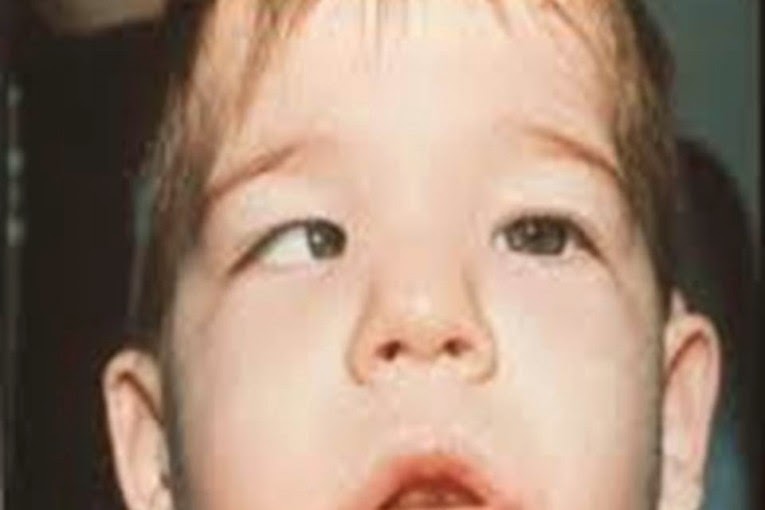
ONE eye disorder that affects children are lazy eye. The term 'lazy eye' may sound a bit strange our ears, but this is a term for disorders of the eye (amblyopia) caused by abnormal development of the eye in childhood. Lazy eye or amblyopia indicate a reduction in visual acuity caused by abnormal visual development during infancy and early childhood. Premature babies, infants with mild body weight, and families who suffer from cataracts more at risk of this eye disorder. This lazy eye occurs in about 2-4% of preschoolers and supreme cause a decrease in visual acuity in children that are irreversible.

What is the cause of lazy eye?

Amblyopia occurs when part of the nerve that connects the eye to the brain does not respond to stimulation with either. At the age of 4 years, the normal development of the brain that processes vision is almost complete. Human visual acuity began to grow since the age of the baby and be perfect at the age of 5 years. The development of visual acuity is influenced by visual stimuli that enter the eye. If eyes get enough visual stimuli, the eye can develop properly. If one or both eyes get less stimulation, the development of visual acuity of the eye is inhibited.

When the brain does not receive a clear image of one or both eyes, it will be difficult to improve the ability to see after brain development is completed. This resulted in only sends a signal to the brain of healthy eyes, causing visual impairment in the other eye and makes eyes look glazed (sad). The eye which then will have amblyopia or lazy eye.

There are 3 things that were suspected as the main cause of amblyopia, namely:

- Squint (Strabismic), where there is an imbalance of muscle nerve of the eye so that the eye can not coordinate well.

- Deprivation (Deprivation), in which the eye disorder in the form of a barrier layer of the eye that forms a cloud (cataracts).

- Refractive (refractive), in which the light refraction occurs inappropriately, such as cylinders, myopia, or nearsightedness.

Lazy eye disorders usually do not cause symptoms, so that children often do not complain about anything. Most cases of amblyopia only be known after an eye exam before or after entering school. The symptoms are the eyes do not follow the direction of movement of objects correctly. This condition is difficult to know if it is only seen in passing, as a lazy eye will look like a normal eye. Lazy eye disorder usually affects only one eye, but if both eyes clear vision deficiency during a certain time when the children, then this condition can affect both eyes. Lazy eye visible physical characteristics of the eye looks somewhat decreased.

In childhood, amblyopia can be overcome by using a patching or cover for healthy eyes. Close your eyes healthy is intended to train the lazy eye to work better and improve vision. If left untreated, amblyopia can lead to permanent blindness condition. Because of these eye disorders often experienced by children, father and mother's good health checking your child's eyes at the age of 3 to 5 years after birth.

Amblyopia can quickly be prevented or treated if detected at an early age in order to prevent more serious damage to eyes. Treatment given to lazy eye has two goals: to create a clear vision in both eyes as well as to strengthen the weak eye.

5 Ways To Children No Fear Needles

20.15 Add Comment

Child's first experience with a syringe typically produce trauma. They become afraid of needles, so they will cry and refuse when you take her to the doctor and injected for the umpteenth time.

Indeed, you can completely eliminate the fear of children, but you can still try to reduce and overcome. Here are 5 ways you can do:

Explain the importance of Injections

Talk with children about the importance of vaccination. Also, give it the understanding that follow the treatment by injection is certainly not intended to hurt or scare. Tell me if the pain will be felt for a few seconds can make a strong and healthy child, and explain about the things he could not get as sick (eg, away from his classmates).

Being a Role Model

If possible, take the kids when you want to get the vaccine and let the child see you injected. Show me calm face without fear, even if you are feeling nervous. Just do not lie to the child if the injection does not cause pain. Say that the injection is going to make sick for a few seconds, but it needs to be done so that children stay healthy.

Topical Anesthetic Cream Request

If a child really feel frightened by the pain, you can ask your doctor to provide topical anesthesia or cream that can make numb. This cream is applied one hour before the child was injected and able to absorb into the skin, thereby reducing pain.

Kick Cough-cough

Switch the child focus on objects in the room. Find a poster or painting that you're interested in a wall, for example, there are pictures of scenery then you can invite children to count the number of trees or animals in the picture. Recommended method also coughing, where children can be asked to cough before and during an injection. Coughing during an injection can provide distraction and stimulate an increase in blood pressure which inhibits the perception of pain.

Praise and Encouragement

After the injection, give the child a compliment that he was the son of the brave. Perhaps you could also give your child's favorite food as a 'gift', or take her out to places he has never visited.

What must be Considered Before Choosing a Multivitamin for Children?

05.00 Add Comment


What must be considered before choosing a multivitamin for children? Please note that different from the drugs that should be clinically tested effectiveness through a series of procedures, supplements do not require such clinical trials.

Therefore, before giving supplements to children, there are some things to look at. Make sure you know the supplements needed by the child, and preferably which is specifically formulated for children and easy to consume. 

Here are 6 ways to choose a multivitamin supplement that is safe and appropriate:


  • Find a product that officially sealed. The products are approved by the government, such as the Department of Health or the National Agency of Drug and Food (BPOM), it is usually safe and meet quality standards. Be careful with counterfeit goods.
  • Do not care much about other additions. No need to pay more for allergen-free multivitamin supplement clear if the child is not allergic to the content. Different again if a child has a specific allergy.
  • Always check the expiration date purchased multivitamin supplement. Try to buy a multivitamin supplement that is still far from the expiration date, because if overdue results obtained will not be maximized.
  • Look carefully at the side effects listed in the label and always tell your doctor or pharmacist about multivitamin supplements consumed by children.
  • As in medicine storage, a multivitamin supplement should also be stored in a safe, cool, and dry. Try not to mix with chemicals or other drugs and away from the reach of children. Sometimes children multivitamin supplement form as peremen so they want to constantly eat, even though it is not good for health.
  • If the child is suffering from certain diseases that require special handling, so it's good to consult a doctor. Case in point, if the child is undergoing a blood thinning medication, it is not recommended to consume vitamin E.

Divorce of Parents Can Trigger Stress and Diabetes in Children

06.31 Add Comment

STRESS can be experienced by anyone, including the children. In fact, domestic problems, including when parents have to split also affects levels of perceived stress and the child can affect the risk of the child developing diabetes.

More recently, a study of emergency Linkoping University, Sweden, said that divorce and separation can increase a child's risk of developing diabetes type 1. Indeed, the incidence of type 2 diabetes is relatively more related to lifestyle. However, more than 95 percent of cases of diabetes in children is type 1 and the number has increased in recent years.

Studies conducted in Sweden aims to determine the result of family conflict such as whether there is a change in the family structure, the interference of others, unemployment and economic strata. The research team stressed because of stress-related family problems are difficult to avoid, then each member of the family needs support to resolve the issue.

In children, it is definitely when the guidance as they are the father or mother. For this study, researchers analyzed 10,000 families with marriage age two to fourteen years. Each parent was given a questionnaire and asked to write down what are the events in his life, the stress caused in the care of the child, as well as concerns with financial problems. Of the 10,000 families, 58% of children diagnosed with type 1 diabetes.

"Although the factors that cause type 1 diabetes has not been identified, it is usually preceded by the immune system that attacks and kills the beta cells in the pancreas that produce insulin usual. Stress during childhood can contribute to the stress experienced by the beta cells due to increased insulin resistance . Not to mention the increased insulin levels due to physiological stress response, such as increased levels of the stress hormone cortisol "said one of the researchers.

Quoted from the Telegraph, Monday (13/04/2015), the researchers conclude, based on some previous studies, this study concludes that experience serious life events and shows enough psychological stress during the first 14 years of life may be a risk factor for diabetes type 1. By Therefore, when a person is diagnosed with type 1 diabetes, also recommended to consider the problems that never happened.

Naps Benefits for Children

12.47 Add Comment
Naps Benefits for Children - Sleep is a natural process of resting function of the body after doing the activity. Sleep means less body movement and decreased awareness of the surrounding environment. Many experts believe that sleep can give you peace and restore the condition of the body, whether physical, emotional, social and cognitive processes of the brain. For infants and children, sleep is a major priority.

2-year-old children generally require 12-15 hours of sleep in a 24 hour period. 3-year-old children need to sleep 11-14 hours a day. While the 4-5 year-old children need to sleep for 10-13 hours each day. Among the sleep time, as much as 1-3 hours must be the child's nap time. Although seem trivial, it turns napping for infants and toddlers is very good for growth and development. What are they?

When the child is able to crawl or walk, they tend not to be silent and always on the move all the time. At that time, not only their bodies are doing the activity, but also all the muscles, brain, and organs in the body. With nap, the child can rest his body so that they will feel more refreshed after waking up and getting back on the move.

Sleep was instrumental in the growth of muscle, bones and skin, wound repair and keep the body fit. During sleep, the body releases growth hormone (growth hormone). This hormone is produced by the brain and in collaboration with other hormones, such as thyroid hormone, adrenal, bone, and muscle, which all contribute to the growth of the child's body. In addition, sleep is also able to increase the body's immune system to produce specific proteins in response to infection and fight disease.

Besides beneficial to their growth, nap also contribute to the development and growth of the brain. The brain will store the information while we were sleeping. It is believed that we do not really learn anything until we lay down to sleep so that the brain can process and store the information received. Morning and afternoon sleep is closely related to the length of attention (attention), preparedness and rapid learning process. A study conducted in Canada reveals that children aged 3 years naps become more adaptive than who did not nap. In fact it is said also that children with an IQ above average rat has time to sleep longer than 30-40 minutes on average children of the same age

There are no specific standards at what the child should nap, as long as no late afternoon. If the child nap late, it will affect nighttime sleep time. Before going to bed, parents should pay attention to the child's condition so that it comfortable for sleeping. Keep children do not sleep on an empty stomach or hungry, because it can make the child is awake and restless. If before sleeping child eating a heavy meal, it should be an interval between napping and eating do not get too close, around 1-2 hours for food can be digested properly.

Dad Can Experience Postpartum Depression After Having a Baby

09.38 Add Comment
Dad Can Experience Postpartum Depression After Having a Baby - All the parents were happy when welcoming the baby. But the mother prone to baby blues or postpartum depression. But make no mistake, postpartum depression can also be experienced by the child's father after they were born, you know.

Explained practitioners of applied neuroscience, Anne Gracia, postpartum depression in fathers usually happens because he felt a bit shocked to see the condition of the newborn is so fragile. As a result, the father was afraid to do anything to the baby for fear of hurting the little guy.

"In fact, with his role as a father, a husband definitely want to do something for her. So it's like he wants to help the child, do something, but could not," Anne said in a conversation with detikHealth and written on Friday (04/10/2015) .

Form of postpartum depression can be a father for fear of rejection to meet the baby. Or, are reluctant to hold the baby for reasons not yet ready. In fact, according to Anne could have been because so fear or panic, he did not want to see his father. There is also a moody father's, though this condition is rare.

"Thus, a new father to have children or already have children but far enough distance the child's need to be given information and support. The family, medical personnel also play a role here. So the doctor often tuh wife when new birth, the husband called his patients described how conditions child and his mother, it is important. If it was not discussed will definitely make the panic even see his father wrote not want to, "said Anne.

The fear experienced by the father, said Anne, can also arise because he was depressed when he saw the birth process wife. Moreover, for instance, when the birth of the child did not cry then patted so cry. Not to mention when the father also saw the child put into an incubator, so it can be said to be the father of shock.

To avoid postpartum depression in fathers, preparation needs to be done ahead of time before a child is born. Dad can be a wide variety of video or contains information about how the condition of the newborn as well as convinced, either by a doctor or a person around when the baby can certainly survive even though at birth he looked very frail. So that, later the father was ready mentally to welcome a newborn child.

As a result of postpartum depression in fathers, if the child's sense of rejection for a moment, not necessarily he will record and store in its memory the father's rejection. However, if postpartum depression was prolonged, the child may also feel the rejection was that he felt unwelcome presence.